
When I was looking for a new indie game to play, Cocoon was on the top of everyone’s recommendations. However, as a gamer who is relatively new to the indie scene, qualifiers such as “Made by the same creator as Limbo and Inside” flew over my head having never played any of those games. Thankfully, that was the point of looking for an indie game and ultimately, this entire blog – to take a risk away from AAA games and discover gems such as Cocoon. Playing this game with a fresh set of eyes and an eagerness for a new gaming formula allowed me to experience this for all its worth – a captivating puzzle game that dazzles with its rich visuals and challenges with creative levels.
It was a jarring experience during the first few minutes of gameplay. You start off as a cicada breaking out of a cocoon and being thrust into an orange dystopian-looking planet. There is no context nor exposition as to the plot and nothing really makes sense on why you’re doing what you’re doing. The simplicity of the controls is also a far departure from the games I usually play with only directional buttons and a single action button to navigate the entirety of the game.
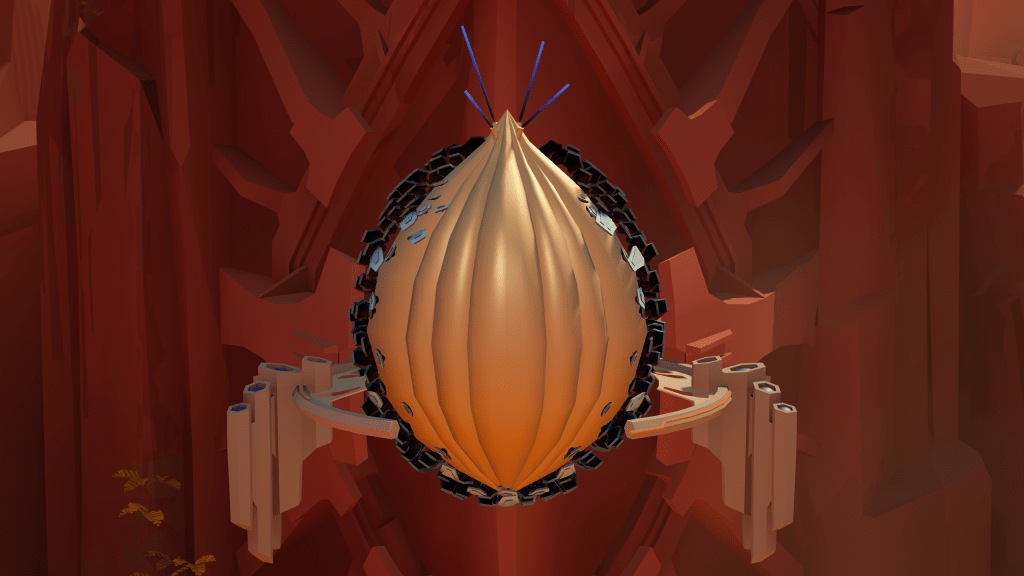
Eventually, you begin to realize that these elements really showcase Cocoon’s best feature: it’s intuitive nature. The game design is meticulously optimized for user experience from the art direction to the gameplay that you’re easily compelled to march forward. Though the plot is not explicit, the visual cues and atmosphere lend to the storytelling with most of the context being left to your own imagination. The controls are understated to highlight the puzzles, which are the main selling point of this game. Individually, the visuals and gameplay are a force on their own, but the way the game synergizes both is what sets this game apart from other puzzlers and creates an impactful and satisfying playthrough.
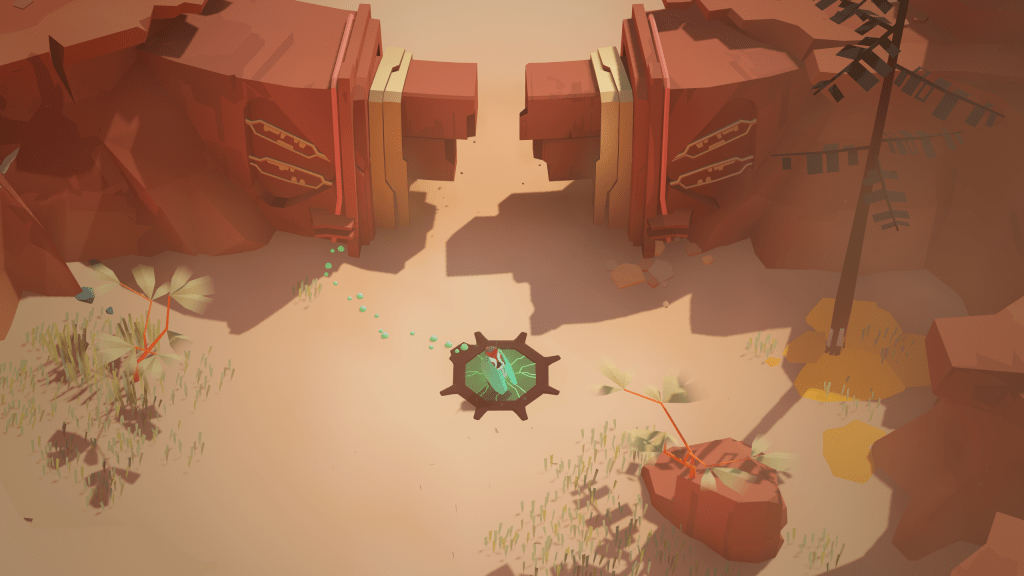
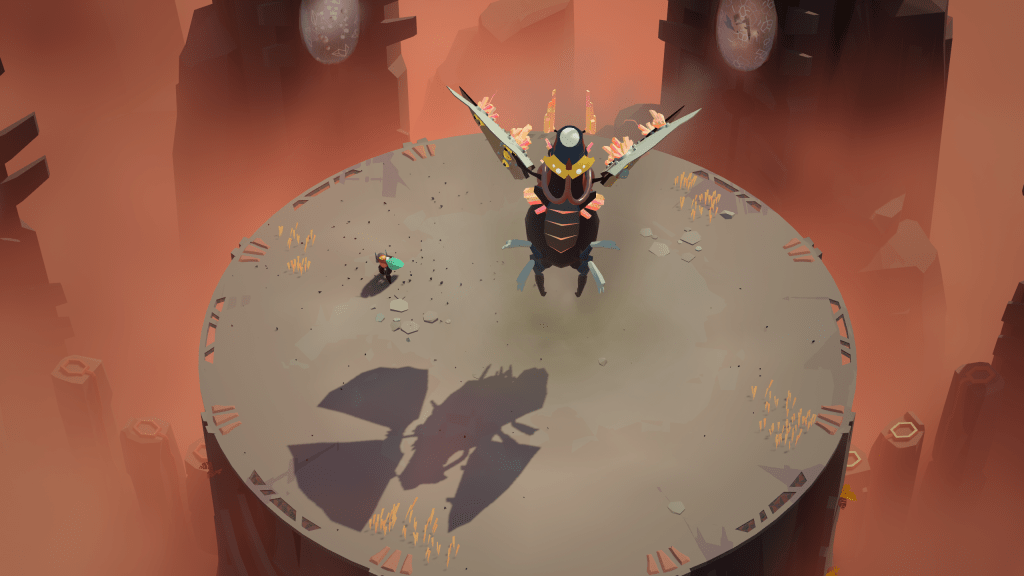
I guess the most traditional aspect of this game is having boss fights at the end of each level. Yes, combat does exist in this game, but it only really involves out-maneuvering bosses by studying their attack patterns and by interacting with the environment. These fights are a nice inclusion and a solid bookend for each level, but they’re hardly the focal point of Cocoon. For me, the puzzles you beat in order to get to the boss are the more challenging aspects of the game that would leave you with the satisfaction of completing.
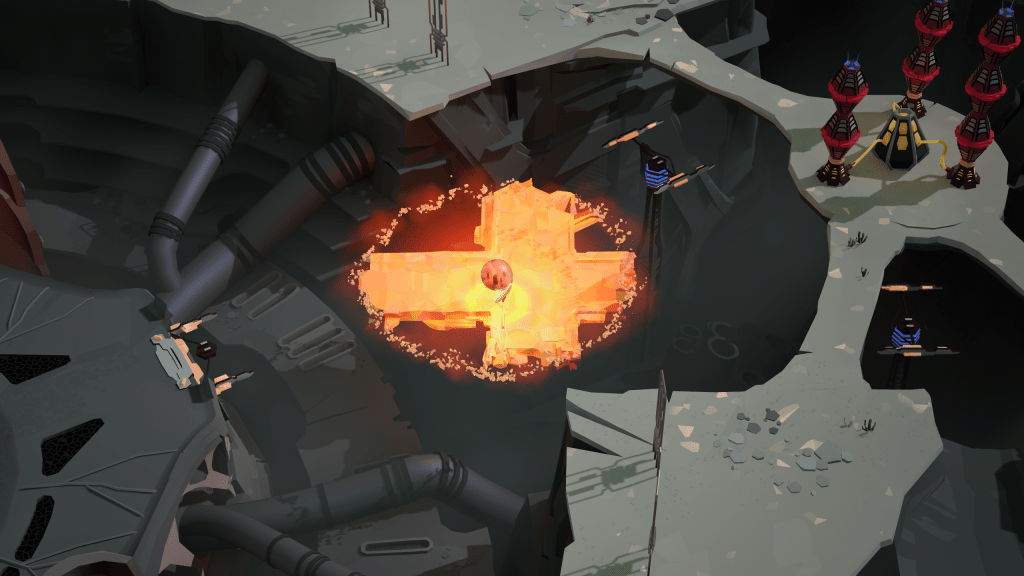
If I were to describe the core puzzle element of Cocoon, I would liken it to a Russian doll – worlds within worlds. You traverse the world with interactable environments to solve puzzles while trying to collect orbs that allow you to complete specific levels. The kicker is that the orbs are the worlds themselves. Remember how I mentioned an orange planet? Whenever you’re in this setting, you’re actually inside the orange orb. Special teleportation pads allow you to exit the orb and enter a new one once you collect additional orbs. The special thing about this feature is that you can bring an orb inside another one to unlock a path, creating an added dimension of problem solving. Which worlds will you enter and what other worlds are you bringing with you? At what point do you need to exit and switch over the next one? The further you get into the game, the more complex the environment interactions and the world-hopping shenanigans. Completing a challenging puzzle would make me go from “Damn this is so hard” to “Damn that was so fucking smart”. The level of difficulty is so balanced that discovering the aha-moment in solving a puzzle feels rewarding without the frustration of being stuck in a level for a few minutes. The sheer creativity of the concept down to the actual execution is nothing short of genius.
During my research into Cocoon, I discovered that it took 6 and a half years to complete the game, so imagine my shock when I finished it in 6 hours. The game, although short, doesn’t feel like it is nor does it feel like a letdown. Instead, I came out of it fully satisfied with the packed experience I received. This goes back to my earlier sentiment that the design is so well-optimized that it checks all the boxes of what makes a great game. Also, in-game collectibles (some of which I missed on my run) allow for replayability for the completionist types. It’s very rare for me to finish a game and not have that feeling of wanting more and I don’t mean this in a negative sense. I finished Cocoon feeling very satisfied and impressed with the depth and passion poured into this project. My first instinct after playing was to recommend this to every gamer I know regardless of their preferred genre. Now, here I am doing just that with this Cocoon review. If you haven’t already, I urge you to take a break and pick up Cocoon, a quick and fulfilling puzzle adventure game that you can escape to.

 Escape to Pause
Leave a comment